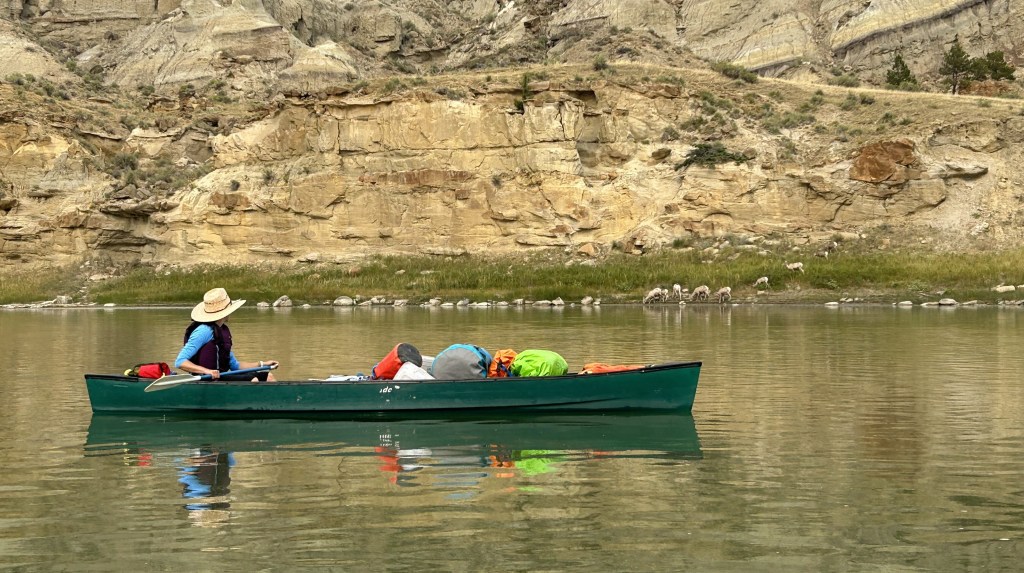
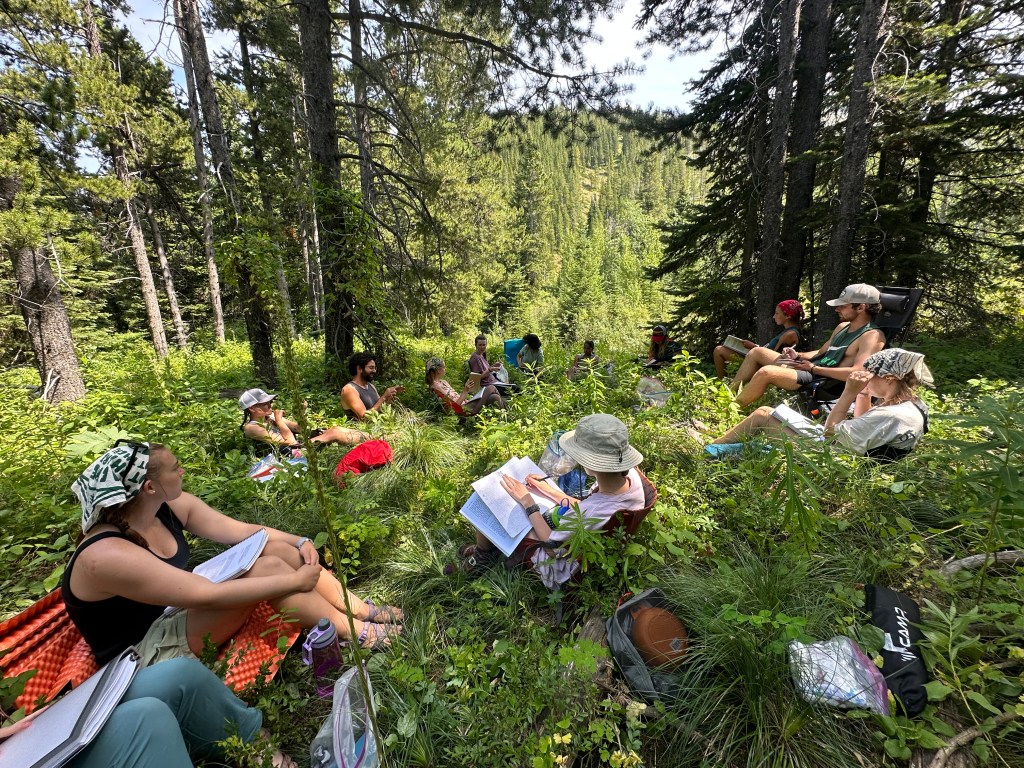
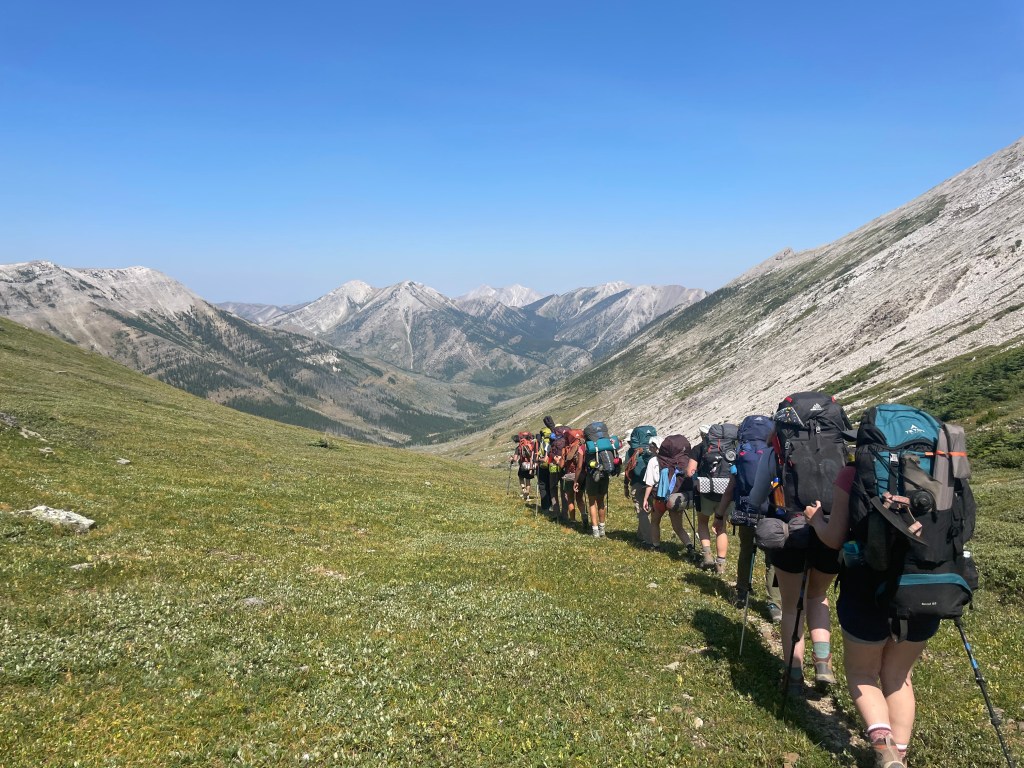
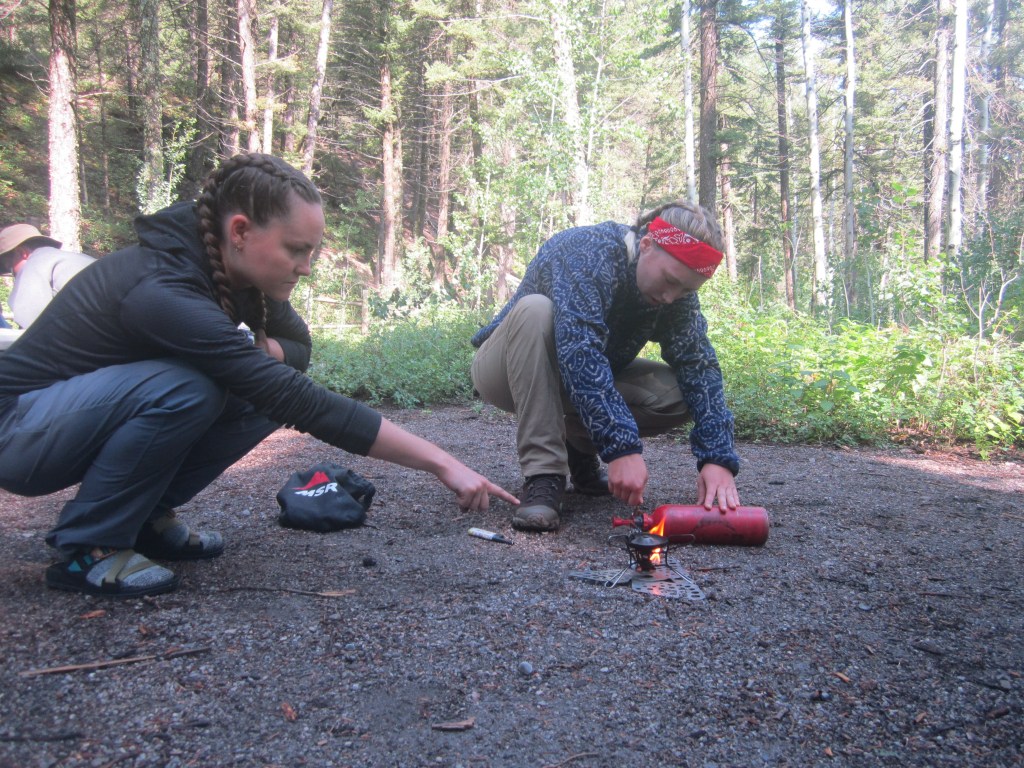
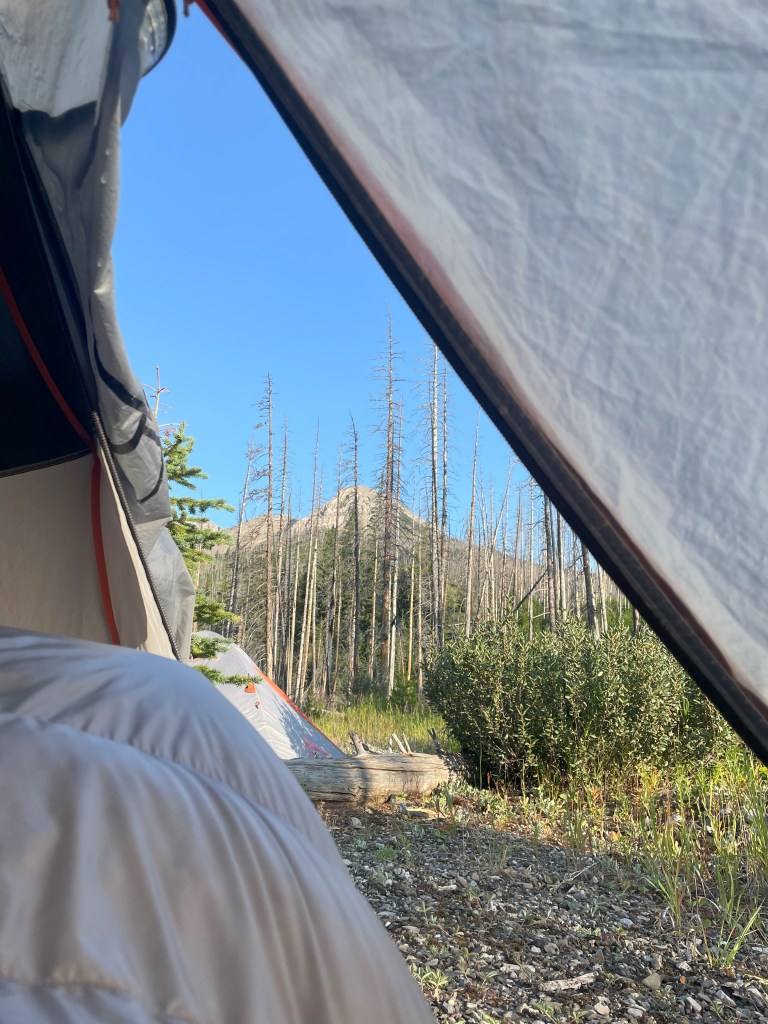
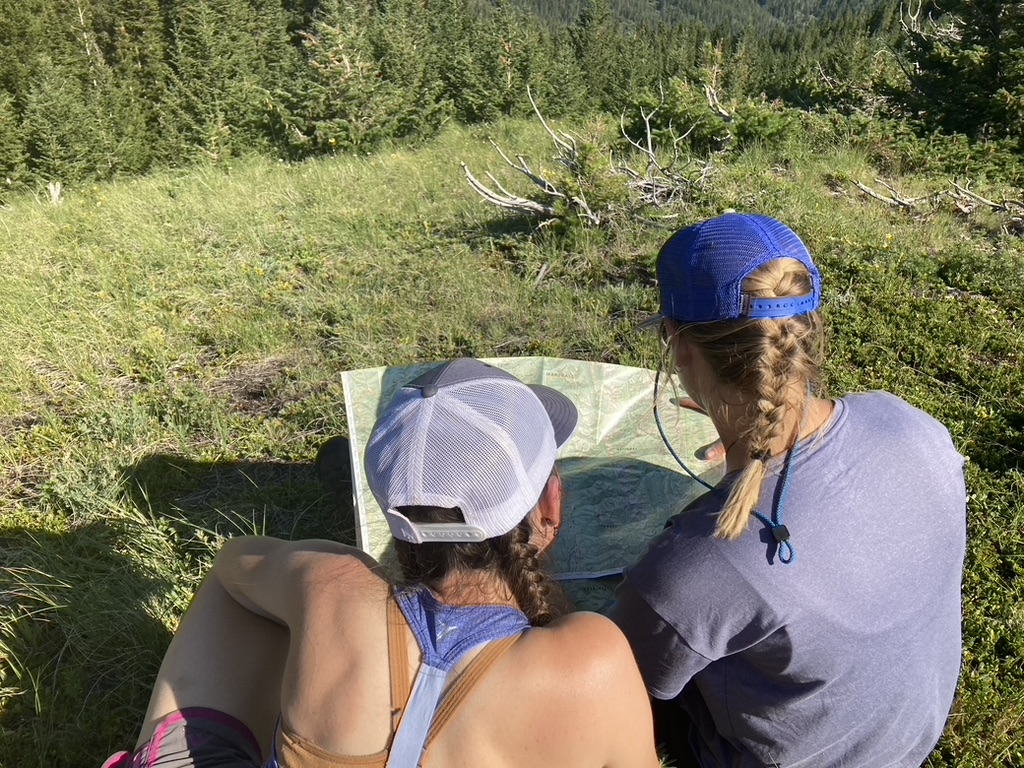
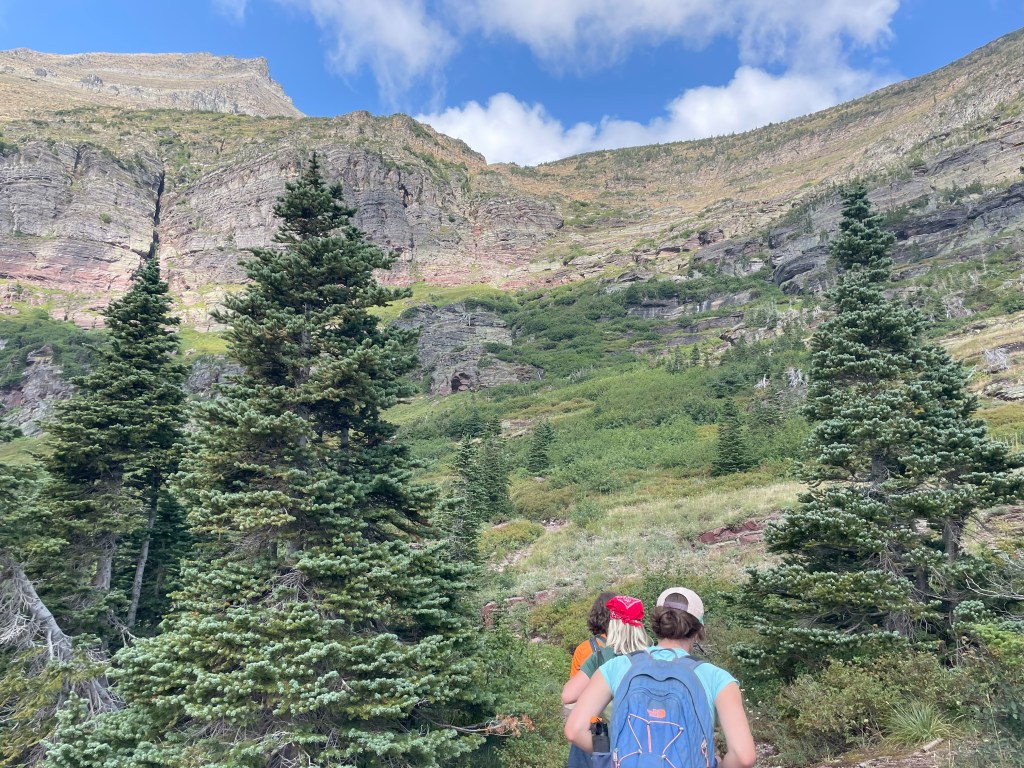
Field teaching is the facilitation of experiential learning in place. On my field courses, students encounter nonhuman others directly and intimately as they travel lands and waters expedition-style. They backpack and kayak, living differently than they do in built society. Consequently, they recognize themselves in more-than-human community where they must respond to changes in their environment and their own needs in new ways. This includes simple responsiveness, such as putting on raingear when the clouds precipitate or changing hygiene habits to minimize negative impact. But expedition learning also encourages more lasting forms of responsiveness, such as self-growth and community responsibility. Personal encounter with the more-than-human world tangibly shows students what is at stake in environmental issues and fosters their love and respect of place that impels further work in conservation, engaged citizenry, and resistance to systems of environmental degradation.
“I was lucky enough to have Kirstin as one of my professors. Kirstin’s teaching easily transformed me into a better student. She taught me always to be curious about the world and learn as much as possible about it. Her teaching has impacted me on an extraordinary level and has inspired me to go into environmental policy. Her passion, care, and enthusiasm for the natural world were unforgettable and any student would be lucky to have a professor like her.”
– Caroline, student on a 2023 field course
 kirstin waldkoenig